Narrow street rubbish removal solutions for Islington mews
Posted on 24/06/2026
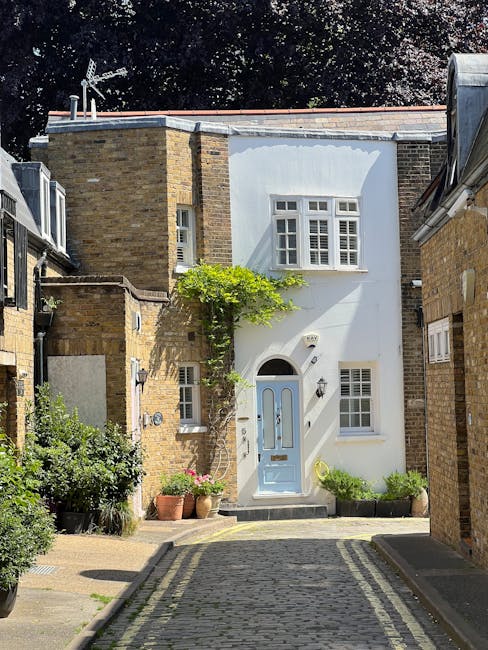
Getting rubbish out of a tight Islington mews can be awkward in a very specific way: not dramatic, just annoying enough to slow everything down. A few bags become a blocked passage, a bulky wardrobe seems to grow heavier the moment it reaches the front step, and the lane outside may leave no room for a big vehicle anyway. That is exactly why Narrow street rubbish removal solutions for Islington mews need a slightly different approach from standard kerbside collections. This guide walks through what works, what can go wrong, and how to choose a sensible, safe, and efficient clearance plan for mews homes, workshops, rentals, and small businesses in Islington.
If you are dealing with a one-off clear-out, ongoing waste from a renovation, or simply a stubborn pile that will not fit neatly into a black bin, this article will help you make a better decision without the usual guesswork.
Why narrow street rubbish removal in Islington mews matters
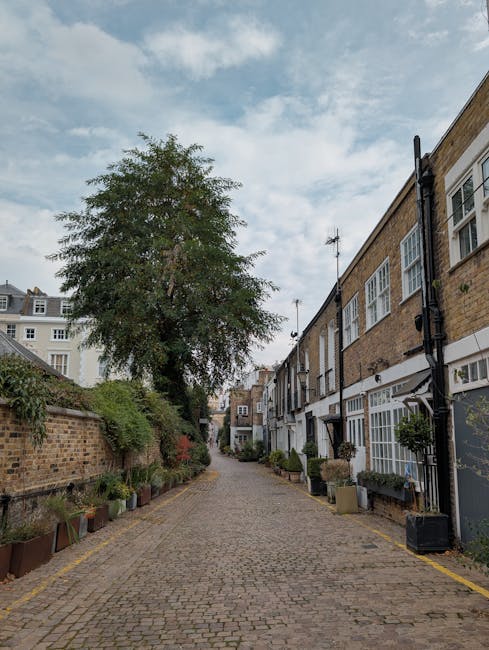
Mews streets are charming, but they are not always forgiving. Many were designed long before modern bins, white goods, flat-pack furniture, and renovation waste became everyday headaches. In a narrow street, the main problem is not the rubbish itself. It is the access. Limited turning space, parked cars, low overhangs, shared entrances, and tight pedestrian paths can turn a simple collection into a small logistical puzzle.
That matters for three reasons. First, poor planning can lead to delays, missed pickups, or extra labour. Second, leaving waste in the wrong place can create safety issues for neighbours, delivery drivers, and anyone trying to pass through. Third, in a mews setting, clutter tends to feel worse than it would on a wider road. People notice it. The lane feels smaller. The whole place gets a bit tense.
There is also the practical side. If your waste includes broken furniture, builders' debris, or mixed household items, you need a route that keeps the space usable while the clearance is happening. For many properties, a standard van-and-load approach is still possible, but it usually needs more thought than a typical suburban collection.
For readers dealing with renovation debris, it can help to understand the difference between general junk clearance and specialist debris handling. A lot of narrow-street work overlaps with builders waste disposal in Islington, especially where access is tight and the load has to be moved by hand from a rear entrance or side passage. And if your project has turned into a full clear-out rather than a small tidy-up, a broader waste clearance service may be the cleaner fit.
Expert summary: In a mews or other narrow street, rubbish removal succeeds or fails on access planning. The fewer assumptions you make, the smoother it tends to go.
How narrow street rubbish removal in Islington mews works
The best narrow-street removals are usually built around access, timing, and load handling. You are not just booking a van. You are planning how waste moves from inside the property to the vehicle without causing blockages or damage.
In a typical mews clearance, the process may look like this:
- Initial assessment: The load type, amount, and access route are reviewed. A quick description or photo often helps.
- Entry planning: The team checks whether waste can come out through the front, rear, or a shared side route.
- Vehicle positioning: Where permitted and safe, the vehicle is placed as close as possible without obstructing neighbours or traffic.
- Manual transfer: Items are carried carefully over shorter distances. This is especially useful where a large vehicle simply cannot fit.
- Sorting and separation: Reusable, recyclable, and disposable items are separated where practical.
- Removal and disposal: The waste is taken away for lawful processing, recovery, or disposal.
Sometimes the most efficient approach is not to force a vehicle into the street at all. Instead, the crew may use a smaller vehicle, staggered loading, or a brief window when access is better. To be fair, in some Islington mews streets that is the difference between a calm collection and a mildly chaotic one.
For smaller loads, you may only need a direct pickup. For larger or mixed waste, a broader junk removal service in NW1 can be useful because it is designed for awkward items, mixed household rubbish, and the sort of clearance job that does not fit neatly into one category.
Key benefits and practical advantages
The appeal of proper narrow-street rubbish removal is not just convenience. It solves problems that are easy to underestimate until you are standing in a passage with a mattress, a broken chest of drawers, and nowhere obvious to put either of them.
- Less disruption: Good planning keeps neighbours, pedestrians, and delivery access in mind.
- Safer handling: Heavy or awkward items are moved with fewer near-misses.
- Better use of space: You do not need to leave waste piled up while waiting for a standard collection slot.
- Useful for mixed loads: Household, garden, office, and small renovation waste can often be handled in one visit.
- Cleaner finish: The area is left tidier, which matters a lot in compact streets where clutter is obvious.
- Potentially faster turnaround: With the right setup, the job can be completed in one short visit instead of several awkward trips.
For property owners, landlords, and agents, there is another benefit: a mews property looks far more presentable when waste is removed quickly and neatly. That matters whether you are preparing for a sale, a new tenant, or a contractor arriving the following morning.
If you are in the middle of a move or an inherited property clear-out, a tailored property clearance in Islington can be more efficient than arranging separate collections for every item category. And when the job involves bulky pieces like sofas, beds, or cabinets, specialist furniture removal often saves a lot of lifting and frustration.
Who this is for and when it makes sense
This kind of service is not only for big house clearances. In fact, some of the best use cases are quite ordinary.
You may benefit from narrow street rubbish removal if you are:
- a homeowner in a mews house with limited front access
- a landlord clearing a rental between tenancies
- a contractor working on a small refurbishment
- a shop, studio, or office with awkward loading access
- someone clearing a loft, basement, or rear storage area
- a resident with a bulky item that will not fit into normal bin arrangements
It also makes sense when time matters. For instance, if you have a decorator arriving tomorrow, or you need the courtyard clear before a delivery, waiting around for a council-style collection may not be practical. And let's face it, narrow streets have a funny way of making "I'll deal with it later" turn into "why is this still here?"
Some of the most common nearby scenarios include homes close to the canal, compact terraces off main routes, and mews properties where loading has to happen early in the day before parking gets busy. A similar logic applies to local event spillover, where a well-timed clearance can prevent waste from lingering after a busy weekend or match day. If you have ever seen how quickly clutter builds around busy parts of the borough, the point becomes obvious.
Step-by-step guidance
If you want the job to run smoothly, the simplest approach is usually the best. Here is a practical process that works well for many Islington mews properties.
1) Identify the waste type first
Separate general household rubbish from items like appliances, furniture, garden cuttings, or construction debris. This helps determine the right vehicle size, manpower, and disposal route.
2) Measure the access path
Check widths, low walls, steps, tight corners, and any route that might complicate moving larger items. Even a small obstacle, like a narrow gate hinge or a parked scooter, can change the plan.
3) Group items by lifting difficulty
Put lighter bags together and isolate heavy items such as wardrobes, sinks, white goods, or broken shelving. This is a simple trick, but it saves time on the day.
4) Clear a working corridor
Try to keep a straight route from the property to the loading point. If possible, move decorative items, bicycles, or plant pots out of the way beforehand.
5) Confirm timing for access
In narrow streets, timing matters more than people expect. Early morning may be quieter. Mid-afternoon may be a headache. A few minutes can make a real difference.
6) Decide whether you need loading help
If items are awkward, splintered, or too heavy for one person, professional labour is usually the sensible option. This is especially true for stairs, basement rooms, or split-level mews homes.
7) Keep recyclables and special items separate
Paper, cardboard, metal, wood, and certain electrical items may be handled differently. Separation at source usually makes things cleaner and more efficient.
8) Ask about the final destination
Good providers should be clear that waste is handled responsibly. If you are clearing a mixed load, it is reasonable to expect a sensible explanation of what can be reused, recycled, or disposed of properly.
For businesses and small refurb projects, it may also help to compare a general rubbish visit with a more focused waste disposal service, especially if the load contains a mix of materials and you need a reliable end-to-end process. If you need a tighter turnaround, rubbish collection in Islington can be the more straightforward option for smaller volumes.
Expert tips for better results
Here is the part that tends to save people the most hassle.
- Take photos before booking. A few quick images of the access route and waste pile help avoid misunderstandings.
- Do not leave items half-sorted. Mixed piles take longer. If you can separate mattresses, metal, wood, and general rubbish, do it.
- Protect narrow corners. Door frames and painted walls in mews properties are easy to mark. A bit of extra care goes a long way.
- Avoid blocking the lane. Keep loading windows tight and practical so neighbours are not inconvenienced.
- Ask about recycled recovery. In many cases, some of the load may be recoverable or recyclable, which is better for both the environment and the overall process.
- Be honest about volume. Underestimating the load usually causes more delay than overestimating it.
One small but useful observation: if a pile looks manageable at midnight, it often looks much bigger by 8 a.m. in daylight. Strange, but true.
For awkward clearances where the amount is not huge but the items are spread across multiple rooms, a broader waste clearance approach can sometimes be more effective than piecemeal removal. And if the job is tied to a full home refresh, house clearance in Islington can simplify the process considerably.

Common mistakes to avoid
Most problems in narrow streets are preventable. The usual mistakes are not dramatic, just inconvenient and a bit costly.
- Assuming a large vehicle will fit. Mews roads often surprise people.
- Leaving booking details vague. "A few bits" can mean very different things to different people.
- Ignoring parking and access. If the vehicle cannot stop safely, the load takes longer and the job gets harder.
- Mixing hazardous or special items with general waste. That can create compliance and handling issues.
- Waiting until the last minute. Last-minute bookings are possible in some cases, but tight access makes rushed planning risky.
- Forgetting neighbours. In close-knit mews streets, a little courtesy goes a long way.
Another common one: people clear the obvious rubbish but leave behind small items that matter, like broken shelving, loose timber, or a damaged appliance cable. It sounds minor. Then it sits there for another week. Annoying, really.
Tools, resources and recommendations
You do not need specialist kit for every clearance, but a few simple tools help the process.
- Heavy-duty gloves: useful for small pre-sorting tasks
- Strong sacks or boxes: better than carrying loose bits and sharp edges
- Measuring tape: handy for checking access width and bulky item dimensions
- Flashlight: useful in dim mews passages, basements, and side returns
- Furniture straps or trolleys: helpful if you are shifting items short distances before the main collection
- Labels or masking tape: useful when sorting items for reuse, recycling, or disposal
On the service side, it helps to know what type of support you actually need. If your waste is mostly from a workspace or small business, office clearance in Islington may be a better fit than a general collection. If the waste has come from landscaping, pruning, or seasonal tidying, garden waste removal is usually the cleaner route. And for old appliances that are impossible to squeeze through a tight passage without help, white goods and appliance disposal is worth considering.
If you are comparing broader service scopes, a good starting point is a clear overview such as the services overview, which helps you map the job to the right type of clearance rather than guessing.
Law, compliance, standards, or best practice
Waste removal in the UK is not just about shifting items from one place to another. It also carries a basic duty of care. In plain English, that means waste should be handled, transported, and passed on responsibly. If a provider is collecting rubbish on your behalf, you should be comfortable that they operate as a legitimate waste carrier and follow accepted disposal practices.
For residents and property managers, a few best-practice checks are sensible:
- confirm the provider is operating lawfully as a waste carrier
- keep a simple record of what was removed, especially for business waste
- separate electrical items, metals, and reusable goods where possible
- avoid fly-tipping risk by never leaving waste with an unverified operator
- make sure any loading activity is safe for pedestrians and neighbours
Compliance becomes especially important in tight streets because a shortcut can spill out into public space quickly. No one wants a bag left at the wrong corner, or a half-loaded van blocking a passage while everyone waits around. In our experience, the best providers are the ones who make the process feel calm and unhurried, even when the street itself is tight.
For reassurance on operational responsibility, it is worth reviewing pages covering waste carrier licensing and compliance and insurance and safety. They help set expectations around lawful handling and careful working practices. If your concern is what happens to the waste after collection, the site's recycling and sustainability information is also useful context.
Options, methods, or comparison table
Different narrow-street jobs call for different methods. The table below compares the most common approaches.
| Method | Best for | Strengths | Limitations |
|---|---|---|---|
| Direct van collection | Small to medium loads with workable access | Fast, simple, often efficient | Can struggle where parking or turning space is limited |
| Manual carry-out clearance | Narrow mews, rear access, awkward entries | Flexible and access-friendly | Takes more labour and planning |
| Staged pickup | Mixed waste or larger clear-outs over multiple rooms | Reduces congestion and keeps the space usable | May require more coordination |
| Specialist item disposal | Furniture, appliances, or heavy single items | Safer for bulky objects and fragile routes | Less efficient for mixed loads |
In practice, many mews clearances are a hybrid of these methods. A narrow gate at the back, a compact van on the street, and a bit of careful carrying can be the winning combination. Simple, but not always easy.
Case study or real-world example
A typical Islington mews scenario looks something like this: a resident is moving out after years of accumulated furniture, cardboard, and a few builder leftovers from a small kitchen refresh. The front street is too narrow for a large truck to sit comfortably, and parking is already tight. There is a rear access point, but it includes a short turn and a low wall, so lifting has to be controlled.
Instead of trying to force everything into one oversized pickup, the team plans the load by item type. Light waste goes out first. Flat items are stacked in a safe bundle. The heavier furniture is moved separately. Appliances are checked before lifting so no one gets caught on cables or missing feet. The result is not flashy. It is just smooth. The passage stays mostly clear, the neighbours are not blocked in, and the property is emptied without stress.
That kind of job is common in London's tighter streets. Not exciting, maybe, but genuinely satisfying when done well. If the property is being prepared for sale or relaunch on the rental market, a careful pre-sale clear-out can also support wider property planning, especially when paired with advice from purchasing property in Islington or long-term thinking from Islington real estate investment tips.
Practical checklist
Before the collection day, run through this checklist.
- Have you identified all waste types?
- Are bulky items separated from bagged waste?
- Is the access route clear from the property to the street?
- Have you checked for narrow gates, steps, or low obstructions?
- Do you know where the vehicle can safely stop?
- Have you warned neighbours if the access might briefly affect them?
- Are special items, such as appliances or garden waste, grouped together?
- Have you taken quick photos of the load if needed?
- Do you know whether the job is a simple pickup or a fuller clearance?
- Have you chosen a service that suits the amount and access conditions?
If you can tick most of those off, you are already ahead of the game. Honestly, that is half the battle.
Conclusion
Narrow street rubbish removal solutions for Islington mews are all about working with the street, not against it. The right plan keeps access clear, reduces lifting problems, and stops a small rubbish pile from becoming a bigger nuisance than it should be. Once you understand the waste type, the route, and the timing, the job becomes much more manageable.
For mews homes, compact rentals, renovation projects, and small businesses, the best outcome is usually the one that feels almost uneventful: waste disappears, the space is restored, and nobody has to wrestle a wardrobe around a corner in the rain. That is the goal. Quiet, efficient, properly done.
Get a free quote today and see how much you can save.