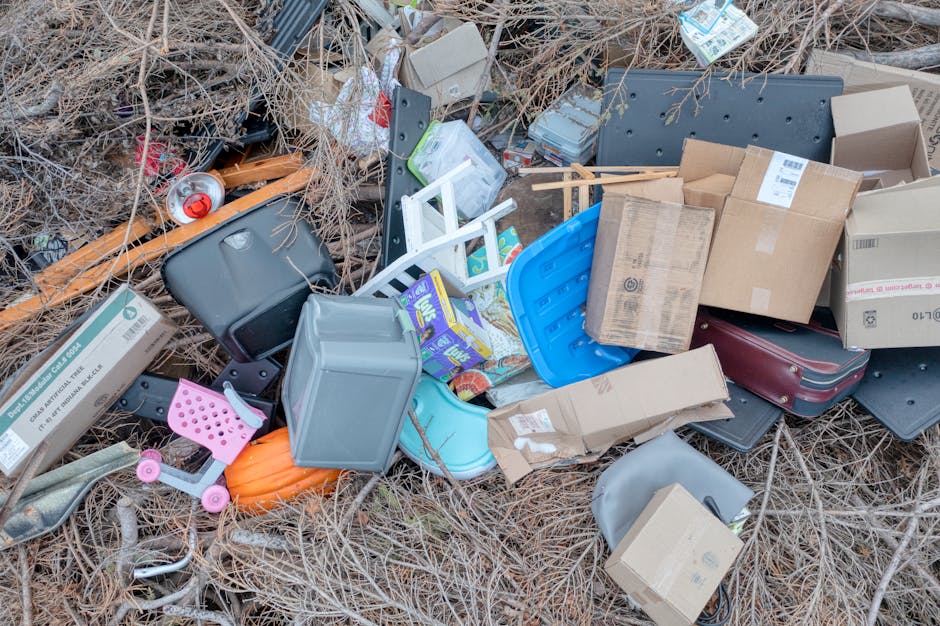
Islington Council fines for illegal dumping and rubbish rules
Posted on 04/10/2026
Islington Council fines for illegal dumping and rubbish rules: what residents and landlords need to know
If you have ever stood beside a brimming black sack, a broken wardrobe, or a pile of boxes left near the kerb and wondered, "Is this going to land someone with a fine?", you are in the right place. Islington Council fines for illegal dumping and rubbish rules can feel a bit confusing at first, especially if you are dealing with a move, a clear-out, a rental property, or renovation waste. The good news is that once you understand how the rules work, the whole thing becomes much easier to handle.
This guide explains what illegal dumping means in practice, how council enforcement usually works, why the rules matter, and what you can do to avoid getting caught out. We will also cover the everyday stuff people miss: bulky waste, trade waste, fly-tipping near flats, and the small mistakes that often lead to big problems. Nothing fancy. Just clear, practical guidance you can actually use.
Why Islington Council fines for illegal dumping and rubbish rules Matters
Illegal dumping is not just an eyesore. It affects pavements, estates, side streets, shopfronts, communal bins, and the general feel of a neighbourhood. In a busy part of London like Islington, one dumped mattress or a stack of builder's bags can turn into a real nuisance quickly. It blocks access, attracts vermin, and makes the area look neglected. Let's face it, nobody enjoys walking past a soggy pile of household waste on a wet Monday morning.
The reason these rules matter so much is simple: waste has to go somewhere, and if it is not dealt with properly, the costs and disruption fall on everyone else. Councils use fines, warnings, and enforcement action to discourage fly-tipping and to keep streets safe and serviceable. For residents, landlords, agents, and small businesses, the risk is not just the fine itself. It is also the hassle, the possible clean-up cost, and the time lost trying to sort out a problem that should have been avoided.
There is also a trust issue here. If a property owner or tenant leaves waste beside a bin store or puts out rubbish on the wrong day, neighbours notice. In a dense borough, that can sour relationships fast. You will notice the difference when a building is well managed: less mess, fewer complaints, and a calmer day-to-day routine.
Key point: the rules are not only about punishment. They are about keeping waste controlled, making clear who is responsible, and preventing small messes from becoming larger, costlier problems.
How Islington Council fines for illegal dumping and rubbish rules Works
To understand fines, you need to separate three different situations: ordinary household rubbish placed correctly, rubbish that is put out incorrectly, and illegal dumping or fly-tipping. They are not always treated the same way. That distinction matters more than people realise.
In simple terms, councils may take action when waste is:
- dumped on land without permission
- left in the wrong place, such as beside communal bins or on a pavement
- put out too early or on the wrong collection day
- mixed with items that should be handled separately
- disposed of without using the proper transfer or collection route
How enforcement happens can vary. A civil penalty may be issued for certain waste offences, while more serious cases can lead to prosecution or further enforcement. In everyday life, though, most people are dealing with the practical side: how to stay compliant, avoid complaints, and remove waste in a way that does not create risk.
There is a common misunderstanding that "someone else can just deal with it later." Not really. If the waste came from your household, your building, your business, or your building works, responsibility can follow the person or organisation that produced or arranged it. That is why record-keeping and proper disposal matter so much, especially for landlords, managing agents, and contractors.
Another thing to watch is proof. If waste is picked up by someone who is not properly authorised, and it is later dumped elsewhere, the original person who handed it over may still face questions. It sounds harsh, but it is a real-world risk. So, if you are booking clearance help, make sure you know who is collecting your waste and how it will be handled.
In practical terms, the process usually works like this:
- A complaint, report, or inspection identifies a possible issue.
- Evidence is gathered, which may include the waste itself, location details, or documents.
- Responsibility is assessed.
- Enforcement action may follow if the circumstances warrant it.
That is the broad picture. The exact route depends on the situation, and councils apply judgement based on facts. Which is fair enough, really.
Key Benefits and Practical Advantages
Following Islington's rubbish rules is not just about avoiding trouble. There are some very practical benefits, and once you see them, the rules start to feel less like red tape and more like common sense.
1. You reduce the risk of penalties. That is the obvious one, but it is worth saying plainly. Clear, correct disposal is usually cheaper than dealing with a fine or having to clear waste twice.
2. You avoid disputes. In shared buildings, arguments often start over bin placement, overfilled containers, or who left what where. Good waste handling reduces that friction.
3. You protect your property reputation. This matters for landlords, agents, and anyone managing a flat, shop, office, or rental house. A tidy frontage tells people the place is looked after.
4. You save time. Nobody wants to spend an afternoon moving rubbish back and forth because it was placed out incorrectly. Best case, annoying. Worst case, costly.
5. You support cleaner streets. That sounds broad, but it really does make a difference locally. If every household and business did the obvious thing, borough waste issues would drop sharply.
There is also a quieter benefit: peace of mind. Once you know the rules and have a routine, waste stops being a nagging worry. You do not have to second-guess every bin bag or box by the front gate.
Who This Is For and When It Makes Sense
This topic is relevant to a lot more people than you might think. It is not just for people who have already been fined. It is for anyone whose waste habits could create a problem if handled carelessly.
Homeowners and tenants need this if they are getting rid of furniture, old appliances, bags of general rubbish, or moving house. A few items left in the wrong place can trigger complaints very quickly, especially in blocks with shared bin areas.
Landlords and letting agents need to be extra alert. If a tenant leaves waste behind, the landlord may still need to sort the clearance. Poor planning around move-outs is where trouble often starts. A half-empty flat, a hallway full of packing material, and a deadline approaching fast. It happens.
Small businesses and offices also need to understand the rules. Office clear-outs, stock disposal, and packaging waste can create problems if the waste stream is not managed properly. If your bins are overflowing at the end of the week, that is a clue something needs adjusting.
Builders and contractors have another layer of responsibility. Construction waste, mixed rubble, plasterboard, timber, and packaging should be handled in a way that reflects the job and the site conditions. Skips, load sizing, and waste separation all matter.
Managing agents and block committees should care as well, because one bad disposal habit can affect an entire estate. The same applies to shop owners near busy streets or transport links, where waste can quickly become visible and messy.
If you are unsure whether your situation is "normal rubbish" or something more like clearance or trade waste, that is usually the moment to slow down and check. A small pause now can save a headache later.
Step-by-Step Guidance
If you want to stay on the right side of Islington Council fines for illegal dumping and rubbish rules, follow a simple process. Nothing heroic. Just a clear routine.
- Identify the type of waste. Household bags, furniture, white goods, garden waste, renovation debris, and office items may all need different handling.
- Check whether it can go in regular collections. Small, permitted household waste may be fine in the normal stream, but bulky or awkward items often need separate disposal.
- Separate recyclables where possible. Cardboard, metal, some plastics, and reusable items should not be mixed in with general waste if avoidable.
- Confirm the right disposal method. That may mean council collection, private rubbish removal, reuse, or another authorised route.
- Keep waste secure until collection. Do not leave bags or items in shared hallways, on the pavement, or near bins unless that is clearly allowed.
- Use a responsible collector. If someone is taking your waste away, make sure they are legitimate and can explain where it is going.
- Keep a record. For businesses, landlords, and contractors especially, keep notes, invoices, or collection details. It is basic admin, but useful.
Here is a practical example. A flat renovation leaves old skirting, broken shelving, and several sacks of plasterboard dust. If those items are just left outside "for later," they can become a complaint very quickly. Sorted, wrapped, and collected properly, the whole job is much cleaner and less stressful. Small difference, big result.
Expert Tips for Better Results
Over time, the best waste management habits are the boring ones. That is the truth of it. The homes and sites that stay tidy usually have a simple routine, not a complicated system.
Keep disposal decisions early. Do not wait until the eve of a move or clearance to decide what goes where. If you sort waste a day or two earlier, you will make better decisions and avoid panic.
Watch the edges of the job. It is usually the "almost rubbish" items that cause trouble: a broken chair, a mattress, old paint tins, half-used plasterboard, packaging from a new sofa. These are the items people leave for later, and later gets messy.
Be careful with communal areas. In Islington, lots of waste issues happen around shared entrances and bin stores. One bag in the wrong place can become three bags by evening. Everyone knows how that goes.
Ask one clear question before hiring help: who is responsible for the waste after collection? If the answer sounds vague, that is not a great sign.
Use the same disposal rule for every project. Whether it is a small declutter or a big move, consistency helps. Good habits are easier than trying to remember exceptions under pressure.
Do not mix "free to leave" with "someone else can handle it." That is where people get caught out. Your waste is still your problem until it is properly and lawfully transferred.
A quick aside: if you have ever watched someone try to wedge a wardrobe into a bin store at 8.15 in the morning, you already know how fast a small mistake becomes a very visible one. London bins do not hide much.
Common Mistakes to Avoid
Some mistakes are so common they almost feel normal. They are not, though, and they can easily lead to complaints or enforcement action.
- Leaving rubbish outside too early. Waste put out at the wrong time can attract attention, especially on streets with regular foot traffic.
- Dumping items beside full bins. This is one of the clearest ways to create an issue. Overflow is still your problem if you caused it.
- Assuming bulky items can go with regular bags. Sofas, mattresses, white goods, and similar items often need separate arrangements.
- Using an unverified collector. If waste later turns up in a lane or green space, questions can come back to you.
- Mixing business waste with household rubbish. Trade and commercial waste need proper handling. Easy to overlook, but important.
- Forgetting about shared responsibility. In blocks of flats, one household's carelessness can affect everyone.
- Ignoring minor build-up. A little waste pile becomes a bigger one. People then act surprised. Usually too late.
One small but useful rule: if it looks temporary and tidy, it is more likely to stay that way. If it looks like "I'll deal with this tomorrow," tomorrow tends to be where problems begin.
Tools, Resources and Recommendations
You do not need a complicated toolkit to deal with rubbish rules properly. What you need is a dependable process and the right services for the type of waste you have.
Useful things to keep in mind:
- Clear labels or notes for separation during a clearance, especially in offices or multi-room properties.
- Strong bags and boxes so waste does not split in shared entrances or on the way down stairs.
- Collection scheduling that avoids leaving waste out overnight unless it is explicitly permitted.
- Written records for landlords, agents, businesses, and contractors.
If you need a broader overview of services, it can help to start with the services overview to understand what types of clearances are covered and how they differ. For bigger or mixed loads, waste clearance in Islington is often a more suitable route than trying to squeeze everything into standard bins.
For household items, the pages on furniture disposal, white goods and appliance disposal, and garden waste removal are useful starting points because each waste type comes with its own handling quirks. Old fridge? Different story from hedge cuttings. Simple, but easy to mix up.
If the waste came from construction or refurbishment, have a look at builders waste disposal. And if you are dealing with a full property clear-out after a move, house clearance or office clearance may be the better fit.
For readers who want to understand the compliance side, waste carrier licence and compliance is a particularly important page. It helps you think through who should be collecting the waste and what questions you ought to ask before handing anything over.
Law, Compliance, Standards, or Best Practice
Waste and dumping rules are not just "good manners." They sit within a broader framework of environmental and local authority compliance. You do not need to become a legal specialist, but you do need to know the basics.
For most people, the safest approach is:
- keep waste on your own property until it is ready and authorised for collection
- do not place items on public land unless you are sure that is permitted
- use approved disposal routes for household, trade, and bulky waste
- retain evidence of lawful transfer where appropriate
- avoid handing waste to anyone who cannot demonstrate proper responsibility
Best practice is especially important for landlords, block managers, and businesses. A tidy bin store and a documented disposal process will usually save time later. Not glamorous, but effective.
It is also wise to treat any "cheap and quick" offer carefully. If the price is far below what seems reasonable, ask yourself why. Is the collector insured? Are they a licensed waste carrier? Will they provide proof? Those are not annoying questions. They are the right questions.
If you want to compare waste handling with general pricing and booking standards, the page on pricing and quotes can help set realistic expectations before you book. For broader context on how waste is removed and handled, waste disposal in Islington is also worth a look.
Options, Methods, or Comparison Table
When you are trying to deal with rubbish properly, there is usually more than one route. The right option depends on volume, item type, urgency, and how much lifting or sorting is involved.
| Method | Best for | Pros | Watch-outs |
|---|---|---|---|
| Normal household collection | Routine bagged waste | Simple and usually low effort | Not suitable for bulky or special items |
| Council bulky waste arrangement | Large household items | Structured and familiar | May require booking and waiting |
| Private waste clearance | Mixed, urgent, or larger loads | Flexible and fast | Quality depends on the provider |
| Skip hire | Ongoing renovation or bulk projects | Good for site-based work | Space, permits, and loading rules can apply |
For many people, private clearance is the easiest option when time is tight or the items are awkward. On the other hand, a skip can be sensible for a longer project where waste builds up over several days. There is no single winner. The job decides.
If you are dealing with a clear-out in a specific setting, such as a flat, house, or commercial unit, you may also find these useful: property clearance in N1 and NW1, junk removal in Islington, and builders waste disposal in NW1. Those pages can help match the method to the mess, which is often half the battle.
Case Study or Real-World Example
Here is a typical local scenario. A landlord in Islington is preparing a flat for new tenants. The previous occupants have left a broken chair, a few bags of mixed rubbish, and some flat-pack packaging in the hallway. The temptation is to leave it "just for a bit" until the cleaner arrives.
That is where trouble begins. The building entrance is shared. Neighbours pass by. Someone assumes the items are dumped rather than awaiting collection, and the complaint is made. The landlord now has a problem that did not need to exist.
A better approach would have been to:
- remove household waste promptly from the flat
- separate the broken furniture from regular bags
- book an appropriate removal method before the move-out date
- avoid leaving anything in the communal area
- keep a note of the collection arrangement
Now, if you have ever managed a move, you know how easy it is for a room to look tidy and then somehow spawn three more bags of stuff by the front door. It happens. The lesson is not "be perfect." It is "plan just enough to stop waste from drifting into the wrong place."
That same logic applies to small businesses and contractors. A bit of planning beats a last-minute scramble every time, especially in narrow Islington streets where access can be awkward and a loose pile of rubbish becomes highly visible very quickly.
Practical Checklist
Use this checklist before leaving any rubbish out or arranging a collection.
- Have I identified the waste type correctly?
- Can it go in normal collection, or does it need special handling?
- Is the waste secure and out of public view until collection?
- Have I avoided putting anything beside full bins or on the pavement?
- Is the collector legitimate and able to handle the waste properly?
- Do I need records, photos, or invoices for proof?
- Have I separated recyclable or reusable items where possible?
- Is this a household, business, or trade waste situation?
- Do I know who is responsible if something goes wrong?
- Have I double-checked timing so the waste is not left out too early?
If you can tick those off, you are already ahead of a lot of accidental fly-tipping situations. Honestly, that is most of the battle.
Conclusion
Islington Council fines for illegal dumping and rubbish rules are really about one thing: keeping waste where it belongs and making sure the right person is responsible for it. Once you understand the difference between everyday rubbish, bulky items, trade waste, and illegal dumping, the rules become much easier to manage. No drama, just common-sense habits done properly.
Whether you are a tenant, landlord, homeowner, agent, contractor, or business owner, the safest path is the same: know your waste type, use the right collection route, and do not leave anything in a place that could be seen as dumping. That simple discipline can save time, protect your reputation, and help keep your street cleaner for everyone else too.
And if you are ever in doubt, pause for a minute before putting anything out. A short pause is usually cheaper than a mistake.
Get a free quote today and see how much you can save.