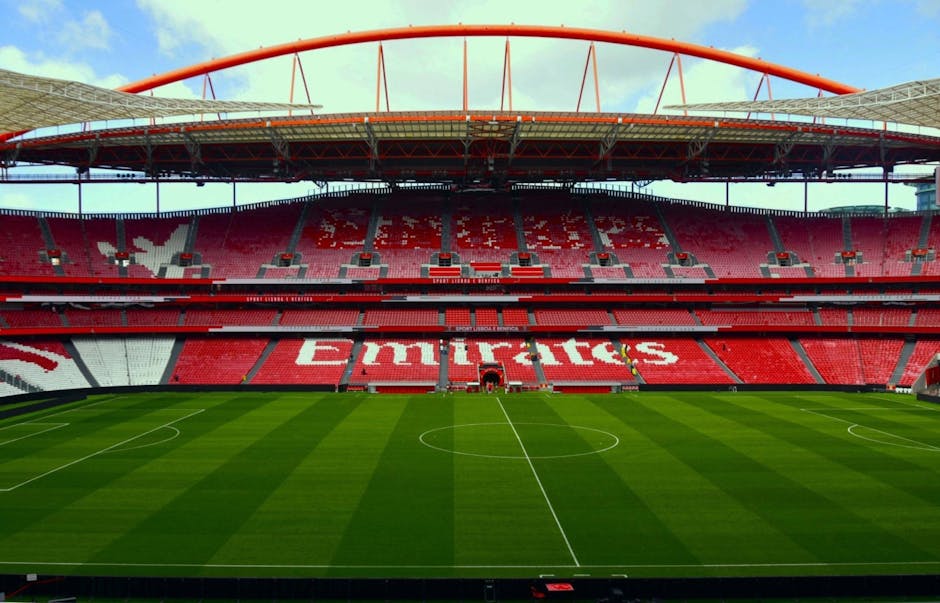
Emirates Stadium match day rubbish removal in Islington
Posted on 29/05/2026
On match day, the area around Emirates Stadium can change in an instant. Streets that felt calm in the morning are suddenly busy with fans, food packaging, cups, banners, paper waste, and the odd half-finished snack abandoned on a wall or pavement. If you are responsible for keeping a site, frontage, venue, or nearby property tidy, Emirates Stadium match day rubbish removal in Islington is not just a nice-to-have. It is part of keeping the area safe, presentable, and workable while the crowds move through.
This guide breaks down what match day rubbish removal actually involves, how it works in practice, where the common headaches show up, and how to choose the right approach for busy fixtures, weekend events, and high-footfall periods around the stadium. You will also find a clear checklist, a comparison of removal options, and a few grounded tips from real-world local waste management experience. Truth be told, when the streets are full and the bins are already working overtime, a simple plan makes all the difference.
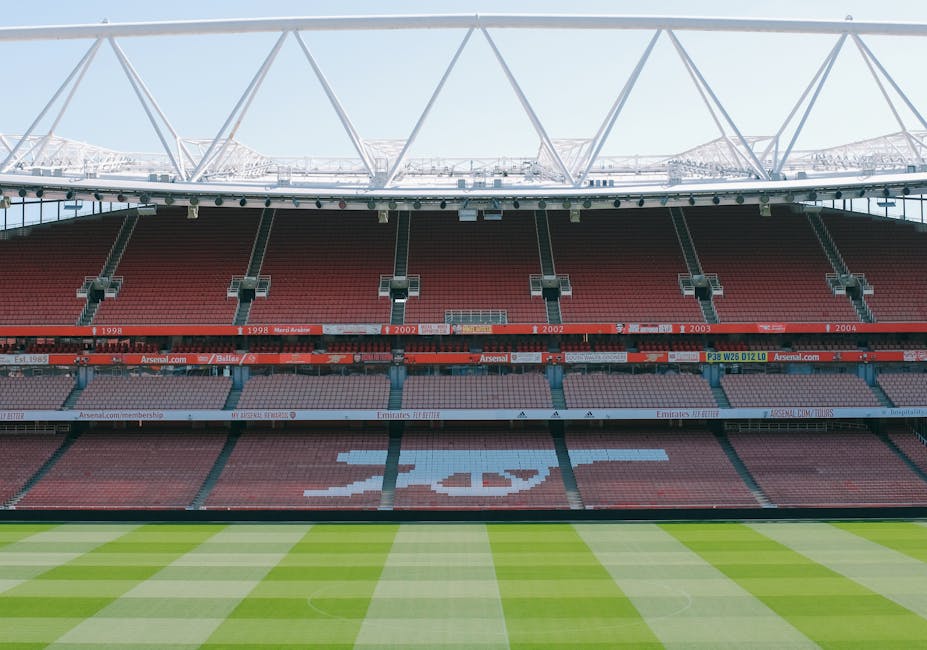
Why Emirates Stadium match day rubbish removal in Islington Matters
Large events create a very specific kind of waste problem. It is not just "more rubbish". It is faster waste generation, more litter movement in the wind, more mixed material, and more pressure on collections at the exact time access gets difficult. Around Emirates Stadium, this can mean overflowing litter points, blocked access routes, recycling contamination, and a less welcoming environment for residents, visitors, and businesses.
There is also a reputational side to it. A clean street outside a busy venue says the area is being managed properly. A littered pavement, by contrast, can make everything feel behind before the second half has even started. To be fair, nobody wants to see yesterday's takeout box drifting along a footpath while people queue for the turnstiles.
For nearby shops, bars, hospitality premises, offices, and managed residential buildings, match day waste can quickly become a daily operational issue. It affects entrances, loading areas, front-of-house presentation, and even staff morale. If litter is left to build up, it can also attract pests and create slip hazards, especially when rain, drinks spillages, and paper waste meet on a busy pavement.
If your business or property is in the wider local waste chain, it can help to think beyond one-off cleanups and look at the bigger picture. Services such as London waste services, Islington waste collection support, and commercial waste collection often fit together better than a single emergency bin emptying. The aim is not just removal. It is control.
How Emirates Stadium match day rubbish removal in Islington Works
At a practical level, match day rubbish removal is a mix of planning, timing, segregation, collection, and rapid response. The best systems do not wait until the streets are already messy. They build around the match schedule, footfall patterns, and likely waste types.
A typical setup might involve:
- pre-event bin checks and placement of extra containers where permitted
- scheduled collections before crowds peak
- mid-event litter monitoring for high-traffic or food-led areas
- quick post-match clearance once pedestrian flow begins to ease
- sorting recyclables from general waste where practical
- removal of bulky items, damaged packaging, and overflow waste
The job can involve more than a standard bin lift. Around stadium days, you may need additional labour, sweeper support, sack-and-clear runs, temporary containers, or multiple vehicle movements depending on access and loading restrictions. That is where local experience matters. Narrow streets, event traffic, and timed access windows can make a simple collection impossible if the plan is not thought through beforehand.
In many cases, teams working around events also coordinate with nearby sites to avoid bottlenecks. If one property is trying to move waste out at the same time as everyone else, things slow down fast. A better approach is to stagger tasks and match the waste collection schedule to the fixture timeline, not the other way round.
For larger or more complex jobs, it may help to combine skip hire with regular collections, or use a coordinated waste management plan rather than relying on reactive clearups. That is often the difference between "we got through it" and "we handled it properly".
Key Benefits and Practical Advantages
The obvious benefit is cleanliness. But the real value goes a bit deeper than that. Match day rubbish removal helps keep operations smooth, protects the visitor experience, and reduces the likelihood of avoidable problems stacking up around a very busy part of north London.
Here are the main practical advantages:
- Better presentation: A clean frontage, pavement, or service area looks organised and professional.
- Safer walkways: Less loose rubbish means fewer trip and slip hazards.
- Faster turnaround: A structured removal plan keeps the area usable before, during, and after crowds.
- Less contamination: Good segregation protects recycling streams and reduces disposal inefficiency.
- Lower stress for staff: Nobody enjoys trying to clear waste while a queue is building and the street is moving around them.
- Better neighbour relations: Cleaner shared spaces reduce friction with residents and nearby businesses.
There is also a quiet operational benefit that gets overlooked: confidence. When your team knows the waste plan is sorted, they can focus on customers, security, opening checks, and service. It sounds simple, but on a busy Arsenal match day, simple is gold.
Practical takeaway: good rubbish removal is not just about taking bags away. It is about keeping access clear, maintaining standards, and preventing a small waste issue from becoming a messy crowd-side problem.
If you are juggling waste from more than one part of a site, it can also make sense to bring in help such as office clearance for back-of-house areas or building site clearance if temporary works, fit-outs, or maintenance are part of the picture. Different waste streams need different handling, and that distinction matters more on match days than people often expect.
Who This Is For and When It Makes Sense
Not every property near Emirates Stadium needs the same level of support. Some sites only need a pre- and post-match clean. Others need a standing waste plan with flexible response times. The right fit depends on your footprint, your access, and how much footfall or food waste you deal with.
This service is especially useful for:
- pubs, bars, cafes, and restaurants near the stadium
- retail units and convenience stores with heavy match-day trade
- managed apartment buildings and private estates
- office buildings with event-day staff movement
- event contractors and temporary traders
- cleaning teams that need an overflow waste partner
- property managers handling shared external areas
It also makes sense if your regular bin service struggles on fixture days. Maybe the bins are full before closing time. Maybe collection vehicles cannot access the road when you need them. Maybe litter from passing crowds keeps blowing back into your entrance. In those moments, a reactive clean-up is usually too late.
Many businesses first look for match day support after one bad experience. One overflowing bin outside a restaurant can be enough. One wind-blown pile of cups near an entrance can be enough. And if you have ever tried to sweep wet paper off the pavement at 10:45 pm while people are still streaming away from the stadium, well, you know exactly why planning matters.
For companies managing multiple locations, keeping a dependable partner across the area can simplify things. Pages like areas we cover and contact us are useful when you need a quicker route to an initial conversation rather than searching for a new provider every time a fixture calendar changes.
Step-by-Step Guidance
If you are setting up a rubbish removal plan for Emirates Stadium match days, the best results usually come from a straightforward process. Nothing fancy. Just solid preparation and clear timing.
1. Map the waste hotspots
Start with the places where waste builds up fastest. That might be entrances, smoking areas, service yards, curbside waiting points, external seating, or loading zones. The goal is to see where litter naturally collects instead of guessing after the fact.
2. Match the schedule to fixture timing
Look at when people arrive, when hospitality starts, and when the crowd begins to disperse. Waste usually peaks in waves. If you know the rhythm, you can clear before the worst pinch points rather than chasing them.
3. Separate waste streams where practical
General waste, recycling, food waste, and bulky items should not all end up in the same pile if it can be avoided. Clear segregation helps with efficiency and, in many cases, keeps disposal more manageable.
4. Decide what needs manual pick-up and what needs container support
Some waste is easier to collect by sack and sweep. Some needs a container, trolley, or vehicle access. Be honest about which is which. If you try to force the wrong method, you lose time.
5. Build in a post-match clearance window
The period just after the final whistle can be awkward. Crowds are still moving, but waste is already everywhere. A sensible clearance window allows the area to settle enough for safe access.
6. Keep a backup plan for overflow
On a busy day, things change. Bins fill faster than expected. Weather shifts. A vendor generates more packaging than planned. A backup collection option gives you some breathing room.
7. Review after each event
Even a short review helps. What filled first? Which entrance caught the most litter? Was the access route blocked? Small observations add up. That is how better systems get built.
If you need a broader waste system around these steps, resources such as recycling services and house clearance can also support properties with mixed waste demands, especially where residential and commercial flows overlap close to the stadium area.
Expert Tips for Better Results
A few small improvements can make a match day rubbish plan work much better. None of them are dramatic. That is the point.
- Place bins where people naturally pause. If someone has to hunt for a bin, litter tends to travel.
- Use visible signposting. Clear, simple prompts improve disposal behaviour more than people think.
- Keep spare liners and grab tools close by. Time lost fetching basic supplies is time wasted during peak movement.
- Train staff on the order of operations. Who checks bins first? Who clears loose litter? Who calls for backup?
- Watch the weather. Wind and rain can turn a manageable amount of waste into a full scatter in minutes.
- Plan for food-heavy fixtures. Packaging, napkins, and drink containers are usually the first things to spill into surrounding areas.
One useful habit is to walk the route yourself before the crowds arrive. You notice things differently on foot. A blocked gate. A narrow pinch point. A bag store that is just a little too far from the route. The smell of food stands, the hum of early arrivals, the first paper cup rolling across the pavement - these are often the clues that the plan needs adjusting.
Another tip: do not assume the nearest collection point is always the best one. Near a stadium, the easiest-to-reach spot on a quiet day can become the worst place possible when the streets are busy. Slightly inconvenient beforehand can be far better on the day itself.
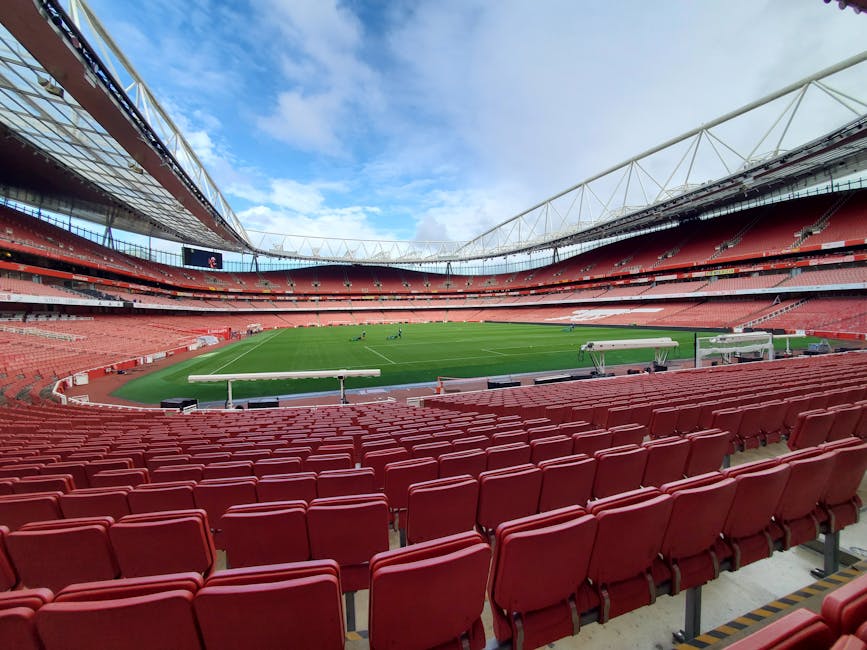
Common Mistakes to Avoid
Most match day waste problems are not caused by one huge failure. They come from a stack of small assumptions. Here are the most common ones.
- Leaving waste planning too late. If you wait until the fixture day, access and timing are already against you.
- Underestimating footfall spikes. A small crowd increase can produce a big jump in waste volume.
- Using the wrong collection method. Not all waste should be handled the same way.
- Ignoring access restrictions. Road closures, loading limitations, and pedestrian flow all affect collection.
- Mixing recyclable and general waste. This creates extra handling and weaker sorting outcomes.
- Forgetting post-event clearance. The worst mess is often left after the main crowd has moved on.
- Not coordinating with neighbouring sites. If everyone clears at once, the area can bottleneck.
The tricky bit is that each of these mistakes seems minor on its own. Together, though, they create the sort of headache nobody needs on a Saturday evening. And yes, the bags always feel heavier when you are in a hurry. Funny how that works.
Tools, Resources and Recommendations
Good rubbish removal is easier when the practical basics are in place. You do not need fancy systems, just the right tools for the size and rhythm of the job.
Useful equipment and supports can include:
- heavy-duty waste sacks
- colour-coded bins or liners for separate waste streams
- lidded containers for food waste and packaging
- grabbers, brooms, and dustpans for rapid sweeps
- high-visibility gloves and simple PPE for staff
- trolleys or cages for moving bagged waste safely
- labels or signage for sorting points
- scheduled collection logs for high-footfall days
From a service perspective, the most useful support is often a provider that can handle more than one type of clearance. That way, if the stadium day generates mixed rubbish, temporary clutter, or even surplus materials from nearby works, you are not scrambling to find three separate solutions. Relevant pages like industrial clearance and garage clearance can be helpful if your site includes storage, plant areas, or back-of-house spaces that get overlooked until they are suddenly full.
One more practical recommendation: keep a simple note of what was collected, when it was collected, and where the pressure points were. It is a tiny administrative habit, but it makes future fixture planning much easier. A short line in a logbook can save you a lot of guesswork later.
Law, Compliance, Standards, or Best Practice
Waste handling in the UK is not something to treat casually, especially in a busy area like Islington. While the exact obligations depend on the type of premises and waste stream involved, the safe assumption is always the same: waste should be stored, separated, and removed responsibly, and any contractor handling it should be suitably authorised for the work they do.
In practice, that usually means paying attention to:
- proper segregation of recyclable and non-recyclable waste where possible
- safe storage so waste does not obstruct access or create hazards
- careful handling of food waste and contaminated materials
- appropriate documentation and traceability where required
- using a provider that follows recognised industry best practice
For businesses, there is also a general duty to avoid nuisance, prevent unsafe accumulation, and keep premises and surrounding areas reasonably well managed. That sounds obvious, but on match days the obvious stuff is exactly what gets tested. Local conditions can be tight, and one missed collection can become everyone's problem.
If you are unsure about a particular waste type, treat it with caution rather than guessing. Mixed materials, sharp packaging, and contamination can complicate disposal quickly. Better to ask the question early than sort it out after the fact. A calm, methodical approach is usually the safest one.
Best practice also includes choosing timing that does not interfere with crowds or emergency access. Waste should never be left where it narrows a route or creates a pinch point near an exit. That is not just about tidiness. It is about common sense.
Options, Methods, or Comparison Table
There is no single right answer for every site near Emirates Stadium. The best method depends on waste volume, access, frequency, and how fast the area needs to be cleared. Here is a simple comparison to help you decide.
| Method | Best for | Strengths | Limitations |
|---|---|---|---|
| Reactive one-off clearance | Unexpected overflow or post-match mess | Fast to arrange, good for emergencies | Can be costlier and less efficient if used repeatedly |
| Scheduled match day collections | Regular fixtures and predictable footfall | Better timing, less stress, smoother operations | Needs planning and reliable access windows |
| On-site bin support and emptying | Venues, hospitality areas, and entrances | Prevents overflow before it starts | May need staff coordination and clear storage points |
| Skip or container hire | Larger volumes or bulky waste | Handles more material, useful for short-term surges | Needs space and careful placement |
| Full waste management plan | Businesses with repeated high-footfall events | Most controlled and scalable option | Takes more set-up effort upfront |
If your site is only dealing with occasional overflow, a simple scheduled clearance may be enough. If you are managing hospitality waste, temporary event debris, and post-match litter all at once, a broader service plan usually works better. The point is to match the method to the mess, not force a one-size-fits-all solution.
Case Study or Real-World Example
Here is a realistic scenario. A small food-and-drink business a short walk from Emirates Stadium notices that Saturday fixtures are causing a steady build-up of paper cups, napkins, food trays, and general packaging outside its frontage. The staff clear it once at the end of the night, but by then the entrance already looks tired and the pavement is messy. Customers are stepping around waste, and the team is frustrated.
The business changes approach. It introduces a pre-match exterior sweep, a mid-game bin check, and a post-match collection window. The waste is separated more carefully, extra liners are stored close to the back door, and a local collection partner is used when the volume is higher than expected. Nothing dramatic. Just a more disciplined routine.
The result is not glamorous, but it is effective. The frontage stays cleaner, the team spends less time firefighting, and the worst of the waste no longer hangs around long enough to become a bigger issue. That is usually how better systems work in the real world - a few modest changes, done consistently.
In another common scenario, a managed building near the route finds that loose litter from crowds collects by the entrance and along a side passage after every fixture. Instead of treating it as a one-off annoyance, the building manager adds a match day clean-up to the calendar and coordinates collection times to avoid peak exit flow. The difference is noticeable almost immediately. Not perfect, but better. Much better.
Practical Checklist
Use this checklist before the next fixture. It keeps the process simple and stops the obvious things slipping through the cracks.
- Confirm the match date, kick-off time, and likely crowd peaks
- Inspect the main litter hotspots around the property or frontage
- Empty or reset bins before footfall increases
- Prepare spare liners, gloves, brooms, and grab tools
- Separate general waste and recyclables where possible
- Arrange collection windows around access and road restrictions
- Make sure waste storage areas are easy to reach
- Check for bulky items, damaged packaging, or overflow risk
- Plan a post-match sweep or clearance run
- Review the event afterward and note what needs adjusting
Quick checklist test: if someone asked you at 4 pm where the waste will go, who clears it, and when it leaves site, could you answer in one breath? If not, the plan probably needs tightening.
Conclusion
Emirates Stadium match day rubbish removal in Islington is really about staying one step ahead of the crowd. When the area gets busy, waste builds quickly, access narrows, and small oversights become visible fast. A good plan keeps entrances clear, protects presentation, supports safety, and makes the whole fixture-day experience feel more controlled.
The best approach is usually a practical one: know your hotspots, time your collections well, keep waste streams clear, and build in a little flexibility for the unexpected. That last bit matters more than people admit. On a match day, things shift. People arrive early, the weather changes, bins fill, and someone always leaves a pile of packaging right where you wish they hadn't. So it goes.
If you are responsible for a venue, business, or managed property near the stadium, taking waste seriously before the crowd arrives is one of the simplest ways to protect your site and reduce stress later. Small systems, consistently applied, tend to win.
Get a free quote today and see how much you can save.
And if you start with just one improvement this week, make it the waste plan. Clean, calm, sorted. That is usually where the day gets easier.